Introduction:
In today’s rapidly changing world, possessing a diverse range of skills is more important than ever. Skills are the building blocks of personal and professional development, empowering individuals to adapt, grow, and thrive in various aspects of life. In this article, we will explore the concept of skill, its significance in our lives, and strategies for developing and harnessing our skills to unlock our true potential.
1. Understanding Skills:
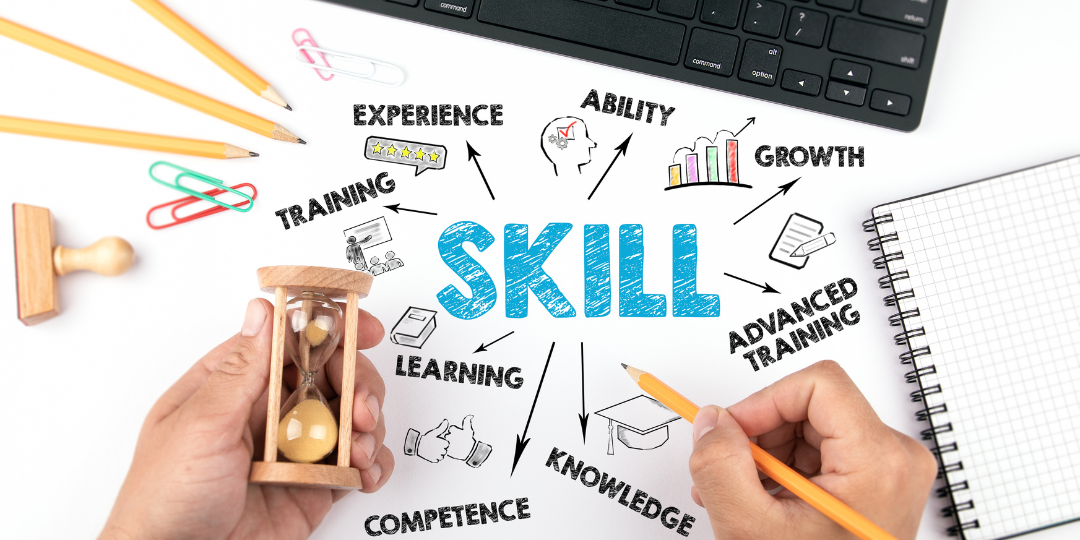
a. Definition of Skill: A skill is an acquired expertise or ability that enables an individual to perform specific tasks, activities, or functions proficiently. Skills can be acquired through education, training, and hands-on experience.
b. Types of Skills: Skills can be classified into two main categories: hard skills and soft skills. Hard skills are specific, technical abilities related to a particular field or profession, while soft skills are personal attributes and characteristics that enhance interpersonal relationships and communication.
2. Importance of Skills:
a. Personal Development: Skills contribute to personal growth, self-confidence, and a sense of achievement. They enable individuals to take on new challenges, broaden their horizons, and explore their potential.
b. Career Advancement: Skills are vital for career success. They determine employability, job performance, and professional growth. Employers value a combination of hard and soft skills when hiring and promoting employees.
c. Adaptability and Resilience: Acquiring a diverse skill set enhances one’s ability to adapt to changing circumstances and navigate through various life challenges. Skills provide individuals with the tools to overcome obstacles and bounce back stronger.
3. Developing Skills:
a. Identifying Strengths and Areas of Improvement: Self-reflection and assessment help identify existing skills, strengths, and areas for improvement. Understanding our abilities allows us to focus on developing the right skills for personal and professional growth.
b. Education and Training: Formal education, workshops, seminars, and online courses play a vital role in skill acquisition. These avenues provide structured learning, knowledge development, and practical application.
c. Hands-on Experience: Practical experience and real-world application of skills are crucial for mastery. Internships, apprenticeships, volunteering, and taking on challenging projects provide valuable opportunities to enhance skills.
d. Continuous Learning and Growth: Skills require continuous development to stay relevant and competitive. Engaging in lifelong learning, reading books, attending conferences, and staying updated with industry trends contribute to ongoing skill enhancement.
4. Harnessing Skills for Success:
a. Goal Setting: Defining clear goals helps align skills with personal and professional aspirations. Setting SMART (Specific, Measurable, Achievable, Relevant, Time-bound) goals enables individuals to develop and utilize skills effectively.
b. Building Networks and Collaboration: Skills thrive in collaborative environments. Building relationships, networking, and engaging in teamwork foster knowledge sharing, idea generation, and skill enhancement.
c. Problem Solving and Critical Thinking: Developing problem-solving and critical thinking skills allows individuals to assess challenges, consider multiple perspectives, and generate innovative solutions. These skills are valuable across various domains.
d. Communication and Interpersonal Skills: Effective communication, active listening, empathy, and collaboration skills enable individuals to build trust, establish positive relationships, and navigate diverse social and professional situations.
e. Emotional Intelligence: Emotional intelligence encompasses self-awareness, self-regulation, empathy, and social skills. Developing emotional intelligence enhances interpersonal relationships, conflict resolution, and effective leadership.
5. Overcoming Skill Gaps:
a. Recognizing Skill Gaps: Self-assessment and feedback from mentors or supervisors help identify areas where skills need improvement. Honest evaluation allows for targeted skill development.
b. Seeking Development Opportunities: Participating in training programs, workshops, and seminars that focus on addressing specific skill gaps is crucial. Seeking guidance from mentors or coaches can also provide valuable insight and support.
c. Embracing Challenges and Feedback: Embracing challenges, taking on new responsibilities, and seeking constructive feedback fosters growth and accelerates skill development. Embracing a growth mindset creates a positive learning environment.
d. Continuous Improvement: Skill development is an ongoing process. Committing to continuous improvement, setting new goals, and seeking learning opportunities ensures skill evolution and professional growth.
Conclusion:
Skills are the key to unlocking our potential and achieving success in various aspects of life. Whether they are hard skills specific to a particular field or soft skills that enhance interpersonal relationships, skills play a vital role in personal development, career advancement, adaptability, and resilience. By understanding the importance of skills, investing in continuous learning, and honing our abilities, we can unlock new opportunities and thrive in an ever-evolving world. So, let us embrace the power of skills, unleash our potential, and embark on a journey of continuous growth and success.